






Monster Hunter: Global Phenomenon
Before its global release, *Monster Hunter Wilds* shattered pre-order records on Steam and PlayStation, mirroring the phenomenal success of its predecessors, *Monster Hunter Rise* (2022) and *Monster Hunter: World* (2018). This achievement firmly establishes Capcom's unique RPG series as a major player in the global video game market. This wasn't always the case, however.
Less than a decade ago, such widespread global popularity would have seemed unimaginable. Even further back, at the 2004 launch of the original *Monster Hunter*, it would have been considered far-fetched; the initial game received mixed reviews. It wasn't until the 2005 PSP release that the series truly took off—in Japan.
For a considerable time, *Monster Hunter* epitomized the "bigger in Japan" phenomenon. The reasons for this are detailed below, but Capcom's persistent efforts to break into the international market ultimately paid off, as evidenced by the success of *Monster Hunter: World*, *Rise*, and now *Wilds*.
This is the story of *Monster Hunter*'s journey from domestic darling to global powerhouse.
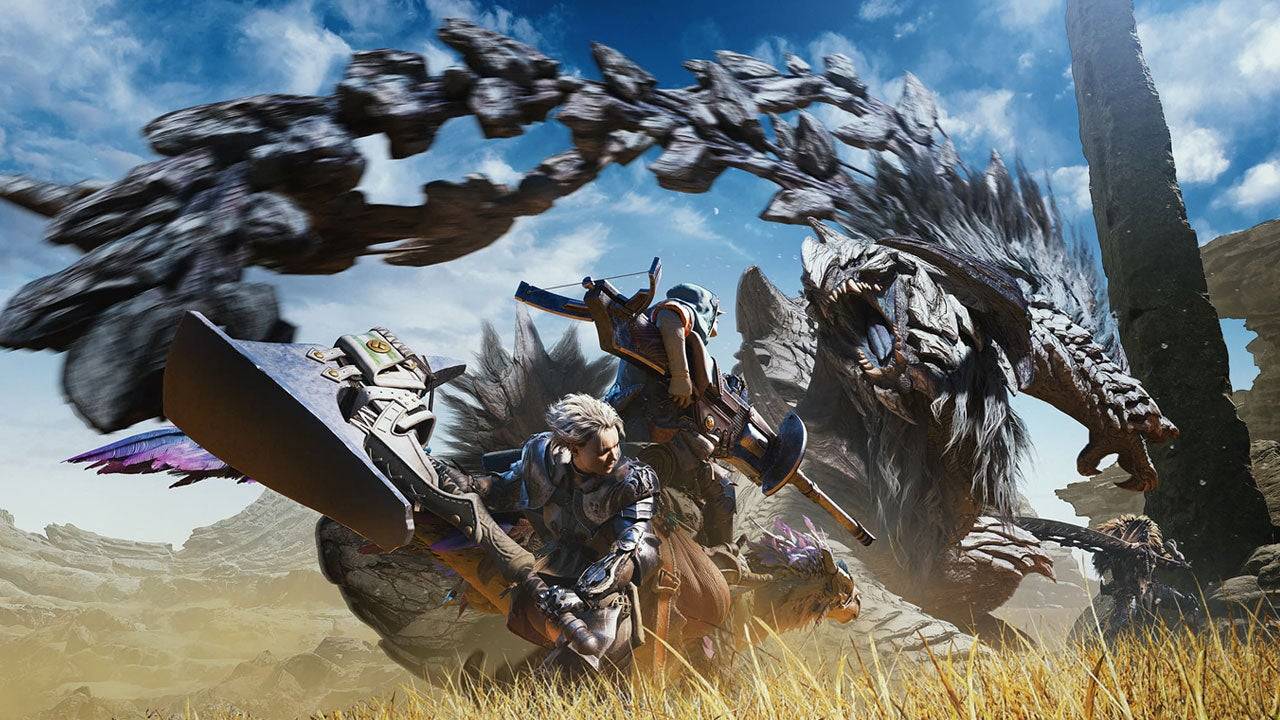
Around the launch of *Street Fighter 5* in 2016, Capcom underwent an internal restructuring in preparation for a new generation of games powered by the RE Engine, replacing the aging MT Framework. This wasn't merely a technological shift; it also involved a mandate to create games for a global, not just a region-specific, audience.
"Several factors converged," explains Hideaki Itsuno, a former Capcom game director known for his work on *Devil May Cry*. "The engine change, and a clear goal for all teams: to create games with global appeal—games fun for everyone."
Capcom's PS3 and Xbox 360 era games often seemed to target a perceived "Western market." While *Resident Evil 4* was a hit, titles like *Umbrella Corps* and the *Lost Planet* series, chasing late-2000s Western trends, fell short. Capcom realized the need for broader appeal.
"We focused without reservation," Itsuno states, "on creating excellent games with worldwide appeal."
The period leading up to 2017 proved pivotal. "Organizational and engine changes converged," Itsuno notes. The launch of *Resident Evil 7* that year marked the beginning of a Capcom renaissance.
No series better embodies this global ambition than *Monster Hunter*. While it had a dedicated Western fanbase, it was significantly larger in Japan. This wasn't inherent to the design, but rather a consequence of several factors.
The shift from PlayStation 2 to PSP with *Monster Hunter Freedom Unite* proved crucial. The handheld market has always been stronger in Japan, and the PSP's success, alongside the DS and Switch, is a testament to this. According to executive producer Ryozo Tsujimoto, Japan's advanced wireless internet network allowed for reliable multiplayer gameplay, a key factor in *Monster Hunter*'s Japanese success.
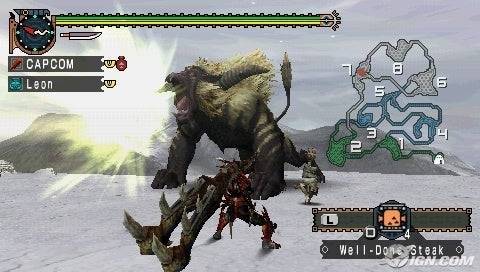
"Twenty years ago, Japan had a robust network infrastructure, enabling online multiplayer," Tsujimoto explains. "Moving to handhelds fostered a larger, interconnected player base."
*Monster Hunter*'s cooperative gameplay thrived on this ease of connection. Handheld consoles provided the ideal platform. Japan's advanced internet inadvertently fostered a primarily Japanese market, even if unintentional.
This created a cycle. *Monster Hunter* became a Japanese bestseller, leading to Japan-exclusive content and events, further reinforcing its "Japan-only" image. Western fans watched enviously.
However, as Western internet infrastructure improved, Tsujimoto saw an opportunity. *Monster Hunter: World*, released in 2018 on PlayStation 4, Xbox One, and PC, marked a significant shift. Designed for powerful consoles, it offered enhanced graphics, larger areas, and bigger monsters.
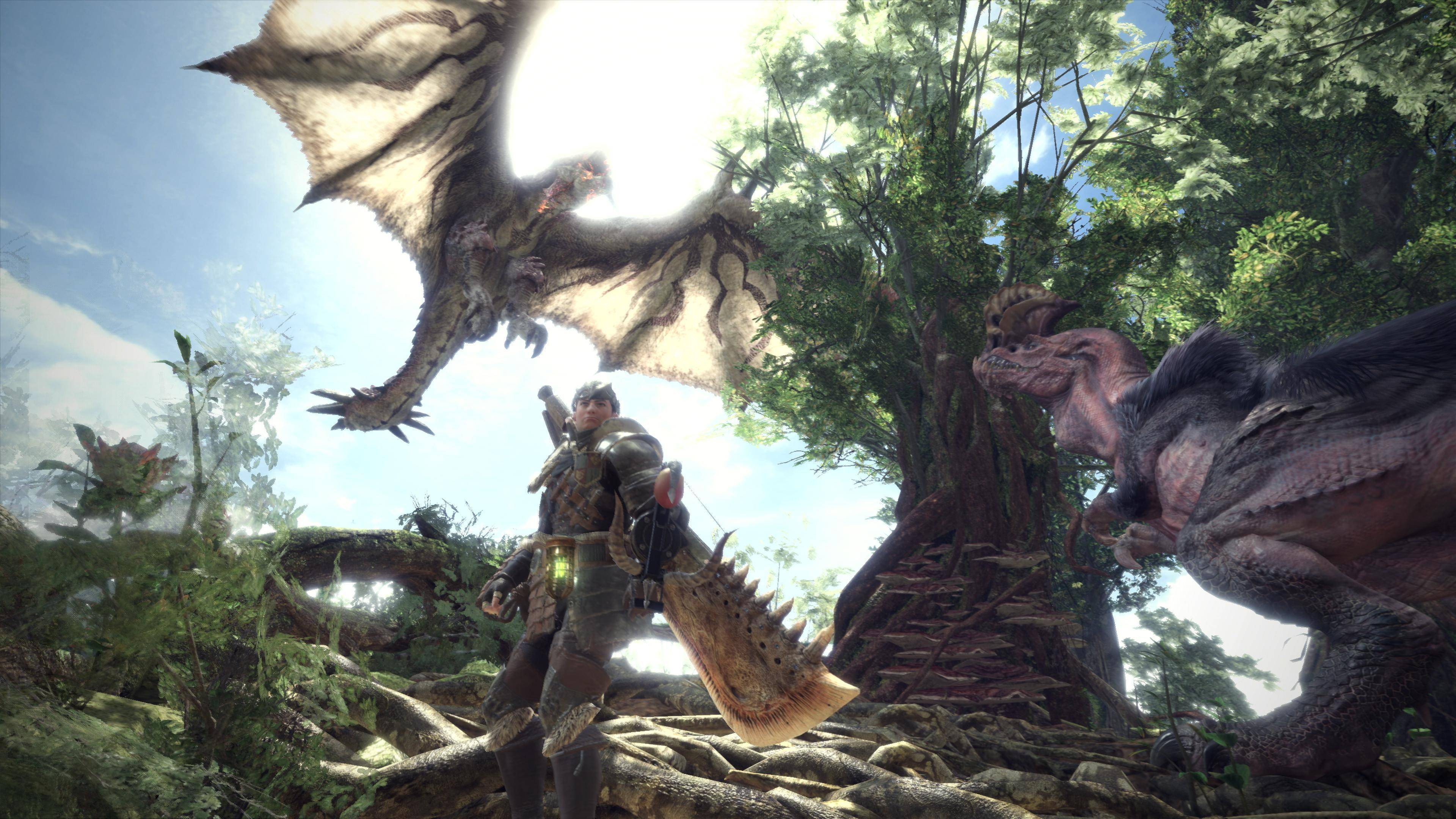
"Our globalization strategy, reflected in the game's title, aimed for worldwide appeal," Tsujimoto reveals. Simultaneous global release and the absence of Japan-exclusive content were key, aligning with global standards.
Beyond simultaneous release, the team analyzed ways to broaden appeal. "We conducted global focus tests," Tsujimoto says. "The feedback significantly influenced game design and contributed to its global success."
One key change was displaying damage numbers. These subtle improvements propelled *Monster Hunter* to unprecedented heights. Previous titles sold 1.3 to 5 million copies; *Monster Hunter: World* and *Rise* each surpassed 20 million.
This growth wasn't accidental. Instead of altering *Monster Hunter*'s core to appeal to Western tastes, Capcom focused on making its unique aspects more accessible. This continues with *Wilds*.
"At its core, *Monster Hunter* is an action game," Tsujimoto explains. "The sense of accomplishment from mastering the action is key. We analyze where players struggle, gather feedback, and use that knowledge to improve the experience in *Wilds*."
Within 35 minutes of release, *Monster Hunter Wilds* reached 738,000 concurrent players on Steam, exceeding *Monster Hunter: World*'s peak. With positive reviews and promised future content, *Wilds* is poised to surpass even *World* and *Rise*'s achievements, continuing the series' global conquest.
-
 Dec 25,24Zenless Zone Zero 1.5 Update Preview Zenless Zone Zero Version 1.5 Update: Leaked Banner Characters Revealed New leaks for Zenless Zone Zero unveil the character lineup for the upcoming Version 1.5 update, including highly anticipated character reruns. This HoYoverse action RPG continues to expand its roster of powerful characters, fr
 -
 May 06,25Magic Chess: Beginner's Guide to Mastering Core Mechanics Magic Chess: Go Go, an exhilarating auto-battler strategy game crafted by Moonton, is deeply rooted in the vibrant universe of Mobile Legends. This game masterfully blends chess tactics with hero-based strategies, offering players the chance to craft formidable team line-ups featuring heroes from th
 -
 Apr 08,25Top Free Fire Characters 2025: Ultimate Guide Free Fire, crafted by Garena, has cemented its status as a top-tier battle royale game worldwide, amassing over 1 billion downloads on the Google Play Store and engaging millions of daily active players. Its appeal lies not only in its thrilling gameplay but also in its diverse array of characters,
 -
 Jan 18,25Roblox Grace: All Commands and How to Use Them Grace 游戏指令速查 所有 Grace 指令 如何使用 Grace 指令 Grace 是一款 Roblox 游戏,玩家需要在充满恐怖生物的各个关卡中生存。游戏极具挑战性,需要玩家快速反应并寻找对抗敌人的方法。幸运的是,开发人员添加了测试服务器功能,玩家可以使用聊天指令来简化游戏,召唤敌人,或进行游戏测试。以下列出了 Grace 游戏中的所有指令以及使用方法。 所有 Grace 指令 .revive:复活指令,用于在失败或卡住时重新进入游戏。 .panicspeed:修改计时器速度。 .dozer:召唤 Dozer 实体。 .main:进入主分支服务器。 .slugfish:召唤 S