






Le showrunner de « Wheel of Time » exprime un espoir de retour et évoque une audience massive
The cancellation of The Wheel of Time after Season 3 has sent shockwaves through the fantasy community, leaving fans, creators, and industry observers alike grappling with a sense of unresolved destiny—both for the story and its passionate audience. While Amazon’s decision may have been driven by financial calculations and shifting strategic priorities, the emotional and cultural impact of the show’s abrupt end cannot be overstated.
At the heart of the outcry lies a simple yet profound truth: this was a story that had finally found its stride. After initial missteps in its first two seasons—particularly in tone and adaptation fidelity—Season 3 delivered a mature, emotionally rich, and visually stunning evolution of Robert Jordan’s sprawling epic. Rosamund Pike’s commanding presence as Moiraine, coupled with a tightly woven narrative that honored the source material while carving its own identity, earned widespread acclaim. The show’s placement in Nielsen’s Top 10 for nearly five consecutive months wasn’t just a metric—it was a testament to its global resonance and the deep connection it forged with viewers.
Rafe Judkins’ statement is more than a lament; it’s a quiet plea for the value of long-form storytelling in an age increasingly obsessed with rapid consumption and short attention spans. His comparison to The Expanse—a show similarly dismissed after a long, arduous journey, only to be reborn on Amazon—carries weight. It reminds us that great stories, especially those rooted in myth and legacy, often defy the logic of corporate viability. They survive not because of budget lines, but because of belief—belief in the narrative, in the characters, and in the audience.
Brandon Sanderson’s candid reflection adds another layer: he wasn’t just a steward of Jordan’s final chapters; he was a guardian of a literary legacy. His disappointment isn’t just artistic—it’s personal. He helped shape the ending that this adaptation was meant to honor. To leave it unfinished is to betray not only the fans, but the vision of a man who spent decades building a world that now, in its adaptation, was finally coming home.
The fact that over 130,000 fans have signed petitions demanding a revival is not merely a sign of fandom—it’s a cultural signal. It suggests that people still believe in the power of a story to matter, to endure, and to be finished with the reverence it deserves. That belief is not outdated. It is essential.
So while the odds of a revival seem slim—especially given Apple TV+’s current slate and Amazon’s own retreat from long-form fantasy—it’s not impossible. The precedent exists. The Expanse was dead. It was buried. And then, like a phoenix, it returned. And now, in the same way, The Wheel of Time might yet rise again.
As Judkins so poetically put it:
"Maybe our show will mirror the books' defiance of conventional storytelling boundaries."
And in that defiance—against cancellation, against short-term thinking, against the pressure to move on—lies the real magic.
Because if there’s one thing the Wheel of Time has always taught us, it’s this:
Even when the world ends, the wheel keeps turning.
And sometimes, against all odds, it brings stories back to life.
For now, the fans wait. The story is not over.
Not yet.
-
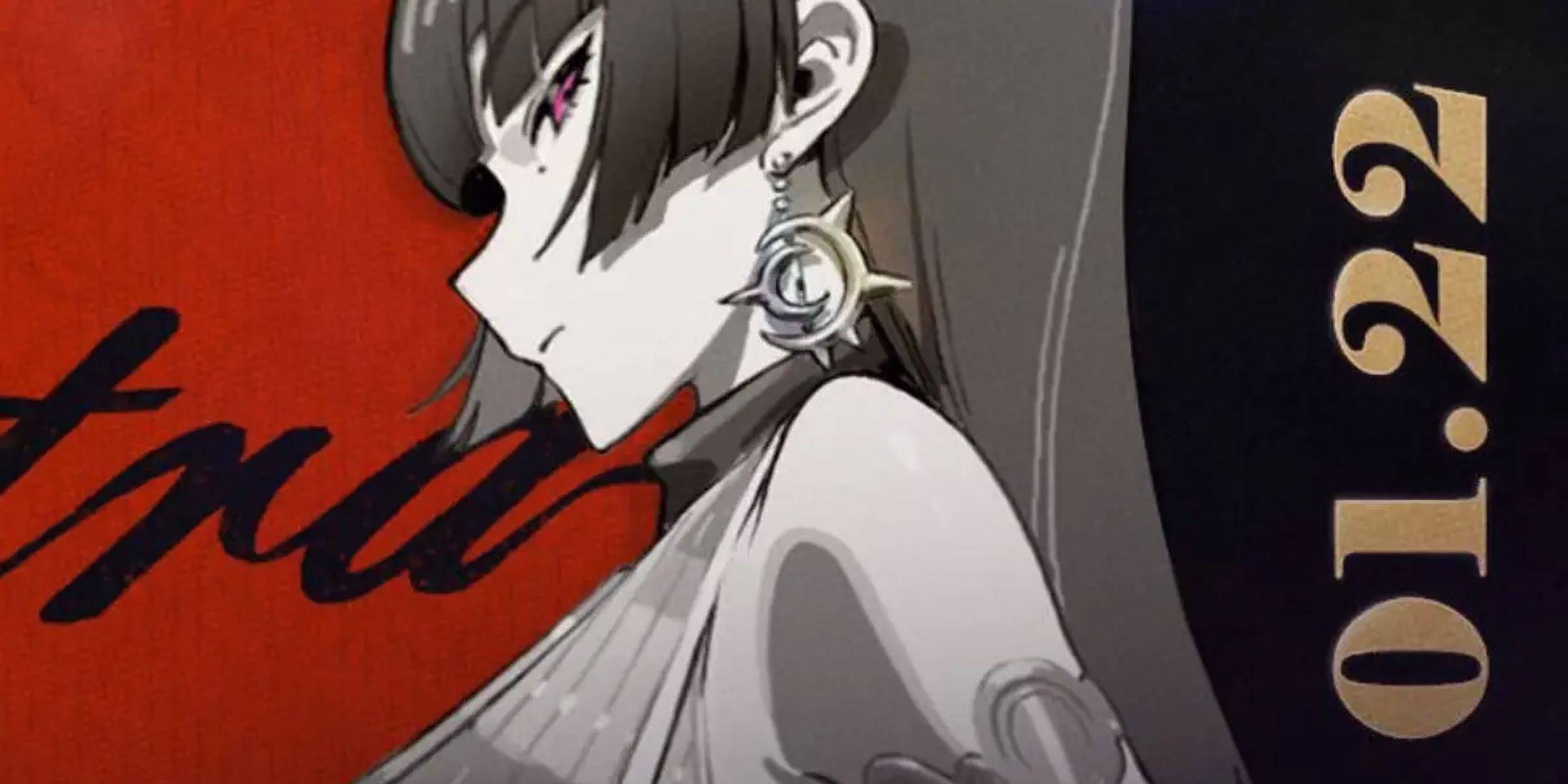 Dec 25,24Aperçu de la mise à jour Zenless Zone Zero 1.5 Mise à jour Zenless Zone Zero version 1.5 : fuite de personnages de bannière révélés De nouvelles fuites pour Zenless Zone Zero dévoilent la gamme de personnages pour la prochaine mise à jour de la version 1.5, y compris des rediffusions de personnages très attendues. Ce RPG d'action HoYoverse continue d'élargir sa liste de personnages puissants.
 -
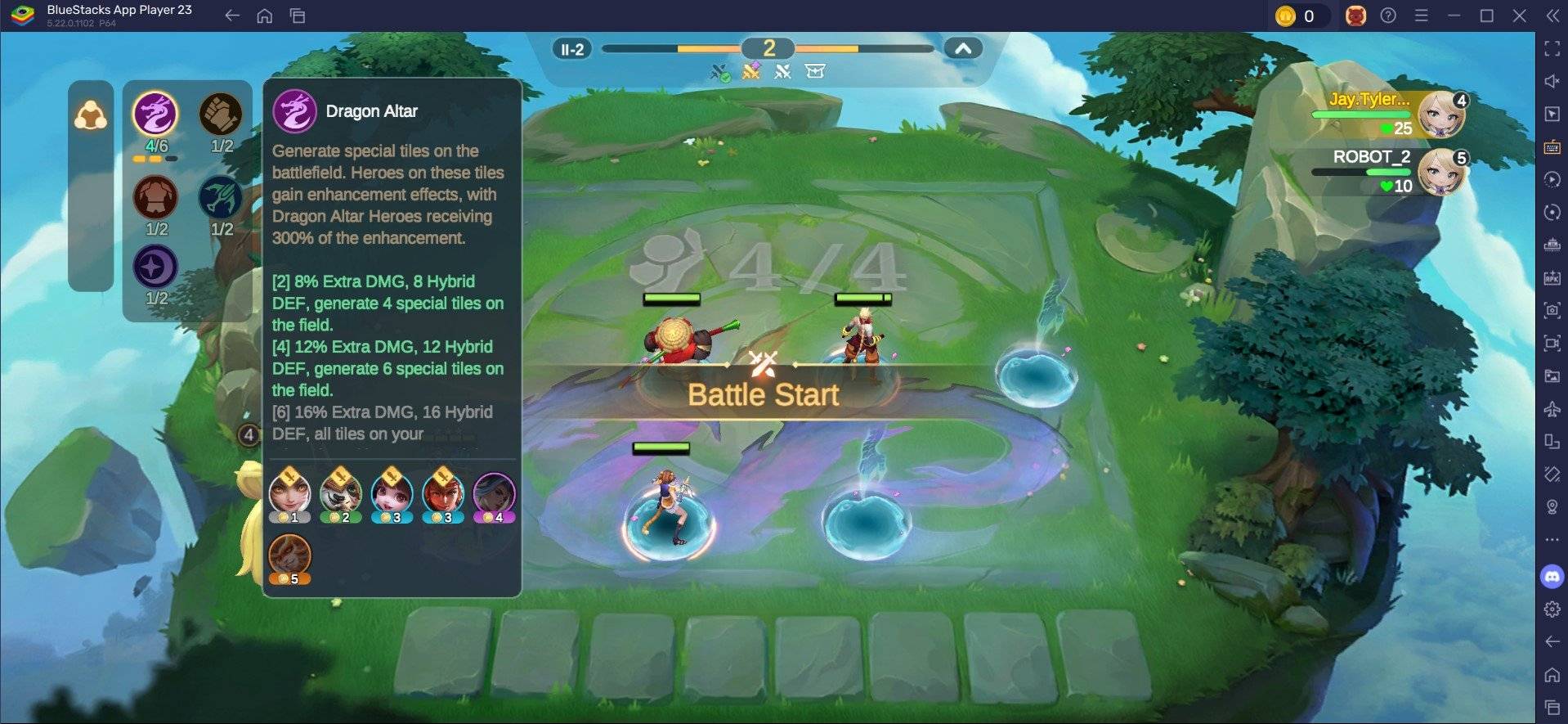 May 06,25Échecs magiques: Guide du débutant pour maîtriser la mécanique centrale Magic Chess: Go Go, un jeu de stratégie de combat automatique exaltant fabriqué par Moonton, est profondément enraciné dans l'univers vibrant des légendes mobiles. Ce jeu mélange magistralement les tactiques d'échecs avec des stratégies basées sur des héros, offrant aux joueurs la possibilité d'élaborer de formidables programmes d'équipe mettant en vedette des héros de th
 -
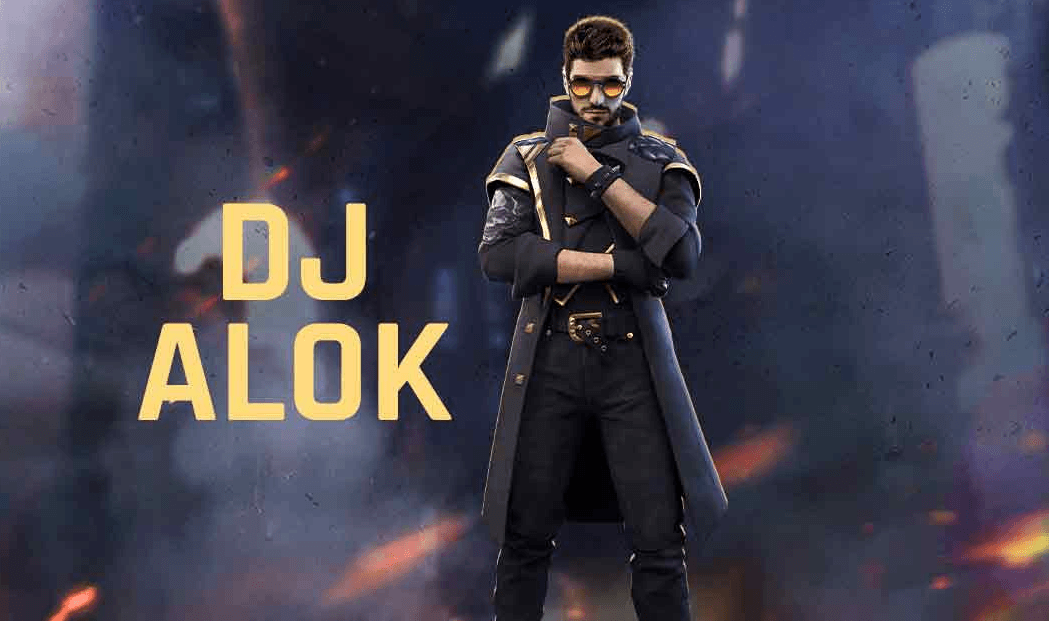 Apr 08,25Top Free Fire Caractères 2025: Guide ultime Free Fire, fabriqué par Garena, a cimenté son statut de jeu de Top Toyen Royale dans le monde, amassant plus d'un milliard de téléchargements sur le Google Play Store et engageant des millions de joueurs actifs quotidiens. Son attrait réside non seulement dans son gameplay passionnant mais aussi dans sa diversité de personnages,
 -
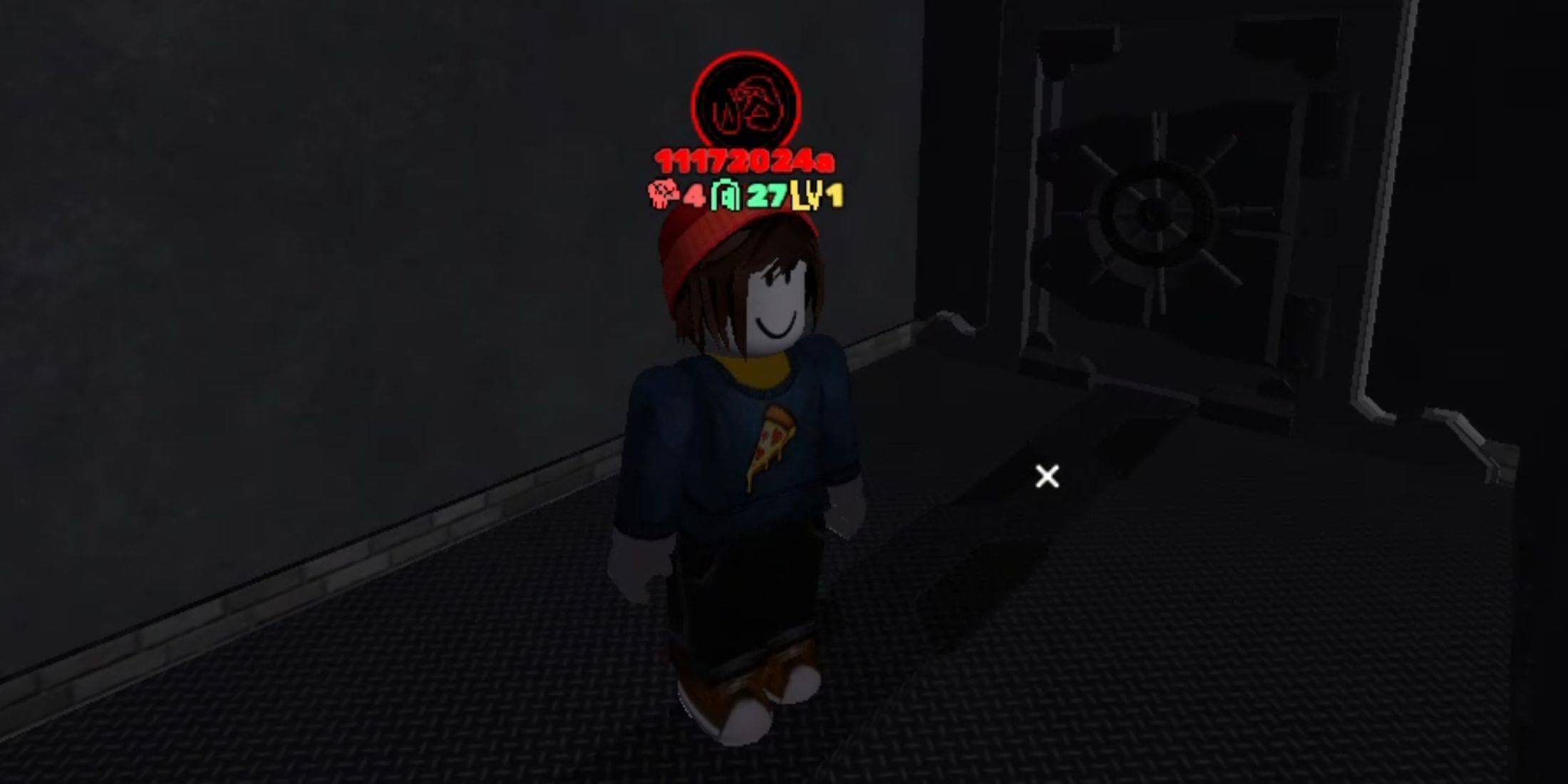 Jan 18,25Roblox Grace : toutes les commandes et comment les utiliser Liens rapidesToutes les commandes GraceComment utiliser les commandes GraceGrace est une expérience Roblox dans laquelle vous devrez naviguer à travers différents niveaux avec des entités effrayantes qui vous attendent. Ce jeu est assez difficile, car vous devrez être rapide et réagir rapidement, ainsi que chercher des moyens de contrecarrer l'entité.