






El creador de 'Wheel of Time' asegura esperanza de revival y destaca su gran audiencia
The cancellation of The Wheel of Time after Season 3 has sent shockwaves through the fantasy community, leaving fans, creators, and industry observers alike grappling with the abrupt end to a saga many believed was finally hitting its stride. While Amazon's decision remains officially opaque—citing "extended negotiations" and financial viability as key factors—the emotional and artistic toll is undeniable.
Showrunner Rafe Judkins’ heartfelt statement underscores a deeper crisis in modern television: the erosion of long-form storytelling in favor of short, metrics-driven content cycles. His reflection on the show’s near-five-month streak in Nielsen’s Top 10, a rare feat for a streaming series, highlights how The Wheel of Time not only captured audience imagination but also delivered—a rare convergence of critical acclaim, fan devotion, and measurable viewership.
The show’s journey wasn’t smooth. Early seasons faced backlash from book purists over changes to characters and timelines, particularly the controversial casting of Rosamund Pike as a central figure. Yet, by Season 3, the series had matured into a nuanced, visually stunning adaptation that honored Robert Jordan’s intricate world while confidently forging its own path under Brandon Sanderson’s guidance. That season’s success wasn’t just commercial—it was artistic vindication.
Sanderson’s candid remarks about being treated as a "brand endorsement" rather than a true creative partner reveal a painful truth in adaptation culture: studios want the prestige of a beloved IP, but not the burden of its legacy. His disappointment echoes that of countless writers and fans who believe a story like The Wheel of Time deserves more than a tidy, corporate-approved ending.
Judkins’ comparison to The Expanse—a series famously resurrected by Amazon after Syfy canceled it—offers a flicker of hope. It’s a powerful reminder that no story is truly dead as long as its audience refuses to let go. The Expanse’ revival wasn’t just a win for sci-fi—it was a testament to the enduring power of passionate fandom and the belief that great stories deserve second chances.
The fact that over 130,000 fans have signed petitions demanding a revival speaks volumes. These aren’t just viewers; they’re believers in a mythic journey that felt, for the first time in years, complete. That kind of loyalty doesn’t vanish overnight.
While Apple TV+’s current slate of high-budget fantasy projects (like Cobra Kai and Severance) makes a takeover unlikely, the door isn’t closed entirely. The rise of fan-driven campaigns, digital archives, and the growing appetite for "cult" shows suggests a future where The Wheel of Time could return—perhaps not on a major streamer, but in a form true to its roots: a passion project, a labor of love, a continuation that honors both the books and the show’s hard-won legacy.
As Judkins poetically put it:
"Maybe our show will mirror the books' defiance of conventional storytelling boundaries."
That’s not just a plea—it’s a prophecy.
Because in the world of The Wheel of Time, fate is woven not just by prophecy, but by will. And if fans, creators, and the very spirit of the story can rise again, then even cancellation isn’t the end.
It’s just a new thread in the Wheel.
And the pattern, as always, is far from finished.
-
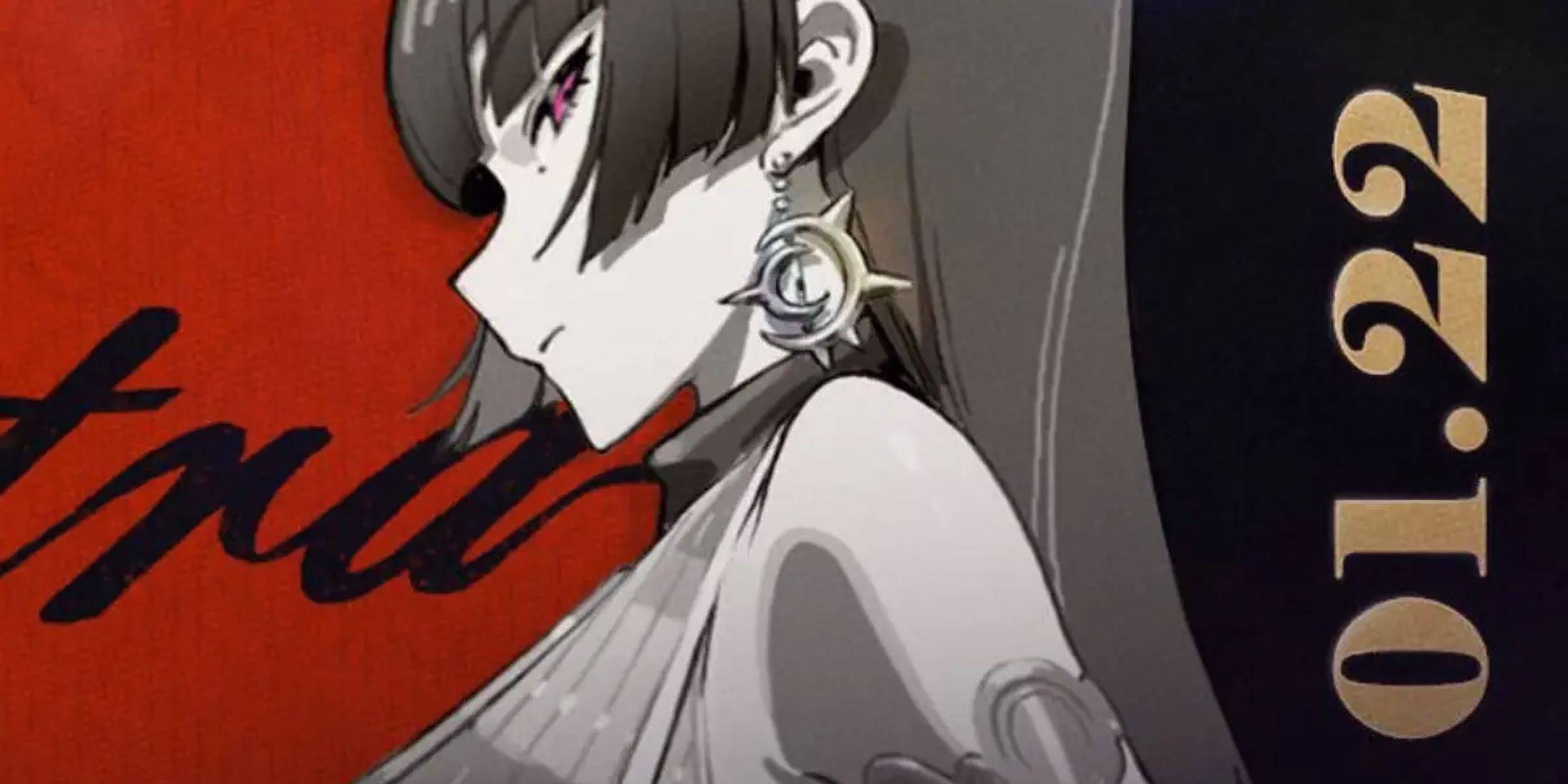 Dec 25,24Vista previa de la actualización Zenless Zone Zero 1.5 Actualización de la versión 1.5 de Zenless Zone Zero: se revelan los personajes del banner filtrado Nuevas filtraciones de Zenless Zone Zero revelan la alineación de personajes para la próxima actualización de la Versión 1.5, incluidas reposiciones de personajes muy esperadas. Este juego de rol de acción de HoYoverse continúa ampliando su lista de poderosos personajes, fr.
 -
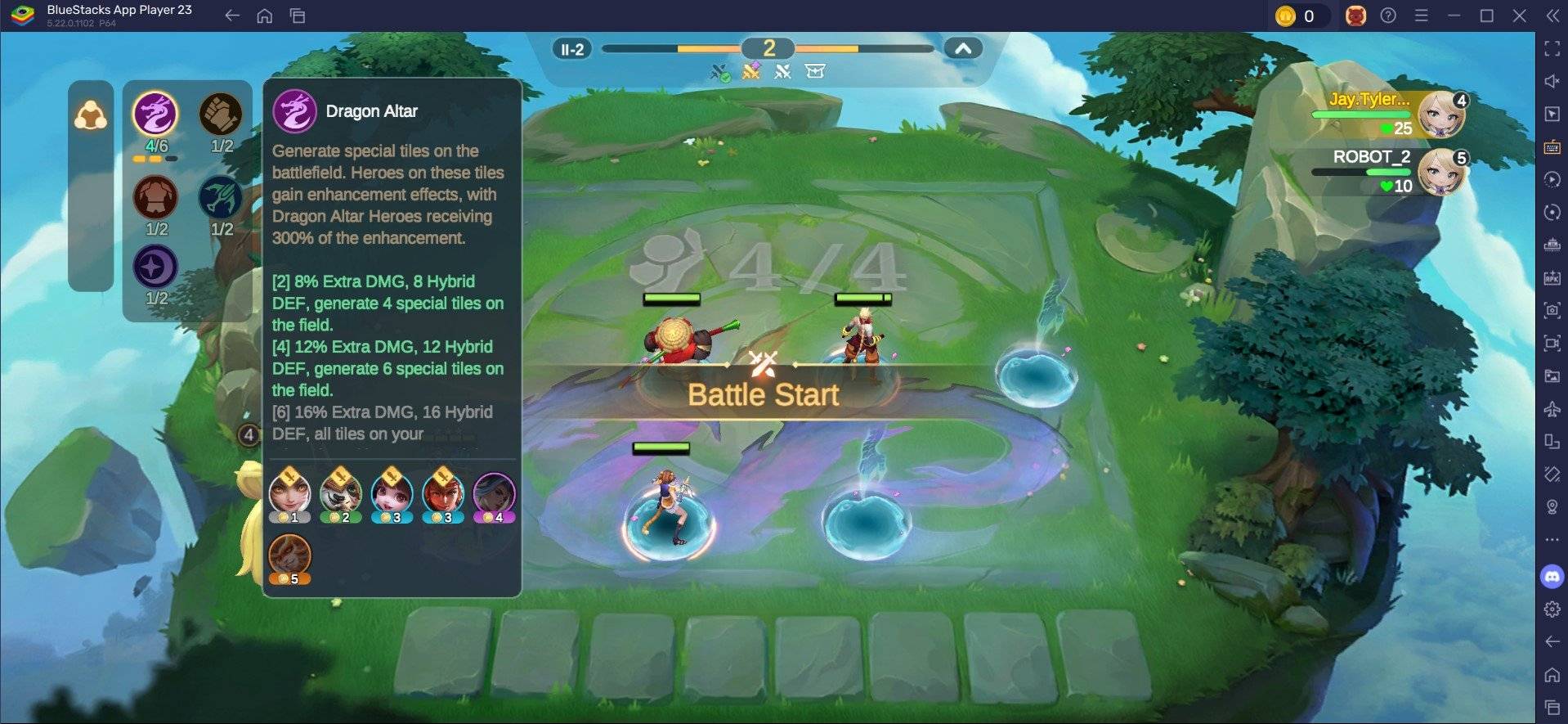 May 06,25Magic Chess: Guía para principiantes para dominar la mecánica del núcleo Magic Chess: Go Go, un estimulante juego de estrategia de pescador automático diseñado por Moonton, está profundamente arraigado en el universo vibrante de las leyendas móviles. Este juego combina magistralmente las tácticas de ajedrez con estrategias basadas en héroes, ofreciendo a los jugadores la oportunidad de crear alineaciones formidables de equipo con héroes de th
 -
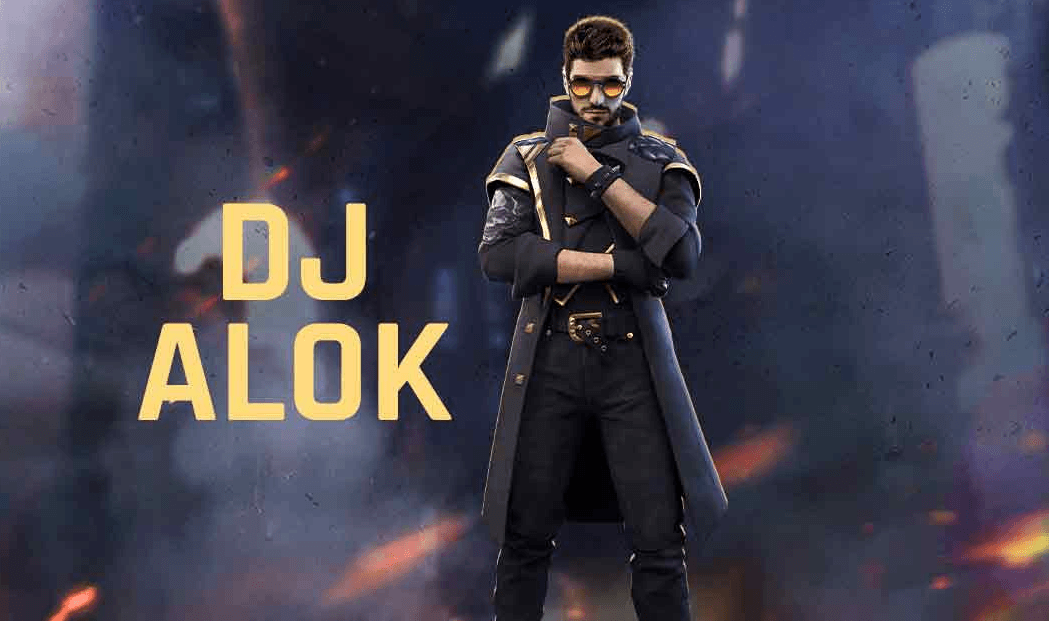 Apr 08,25Personajes de Free Fire 2025: Ultimate Guide Free Fire, elaborado por Garena, ha consolidado su estado como un juego de Battle Royale de primer nivel en todo el mundo, acumulando más de mil millones de descargas en Google Play Store e involucrando a millones de jugadores activos diarios. Su atractivo se encuentra no solo en su emocionante juego sino también en su diversa variedad de personajes,
 -
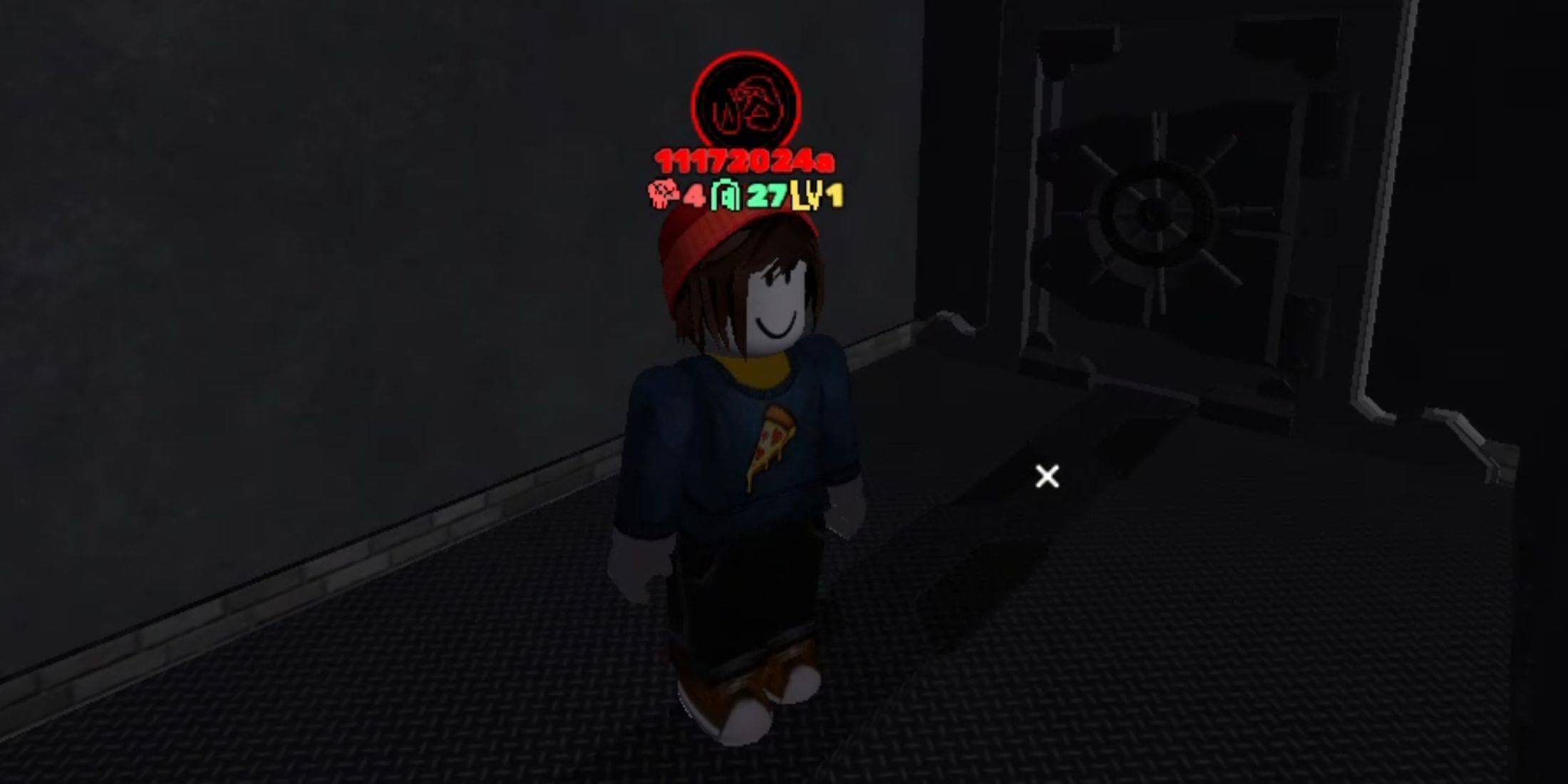 Jan 18,25Roblox Grace: Todos los comandos y cómo usarlos Enlaces rápidosTodos los comandos de GraceCómo usar los comandos de GraceGrace es una experiencia de Roblox en la que tendrás que navegar a través de varios niveles con entidades aterradoras esperándote. Este juego es bastante desafiante, ya que tendrás que ser rápido y reaccionar rápido, además de buscar formas de contrarrestar la entidad.