






Japan Manga’s 2025 Disaster Prediction Fuels Fear, Impacts Travel Plans
In recent weeks, a previously little-known manga has gained significant attention in Japan and globally. In “The Future I Saw” by Ryo Tatsuki, a chilling forecast predicts a massive natural disaster striking Japan in July 2025. This prophecy has led some travelers to cancel their summer trips to Japan, with the prediction spreading rapidly across Japanese social media. What drives belief in Tatsuki’s visions? And how has an upcoming Japanese horror film become entangled in this growing panic?
Ryo Tatsuki’s “The Future I Saw,” first published in 1999, features the author as a character and draws from her dream diaries, started in 1985. The 1999 edition’s cover depicts Tatsuki’s character with a hand to one eye, with postcards above her head alluding to various “visions.” One postcard ominously states, “March 2011: A Great Disaster.” Following the catastrophic Tohoku Earthquake and Tsunami in March 2011, Tatsuki’s manga resurfaced, driving up demand and prices for the out-of-print book on auction platforms.
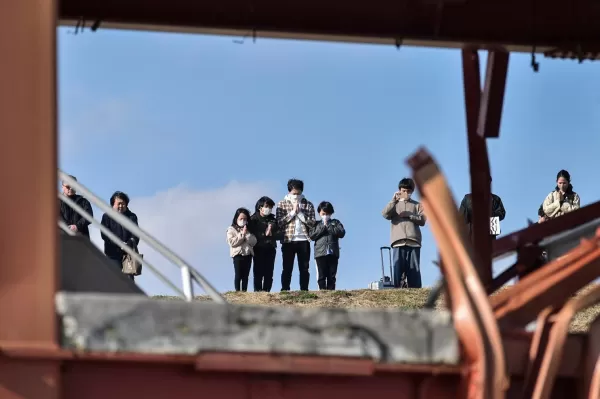
In 2021, Tatsuki released “The Future I Saw: Complete Edition,” introducing a new prophecy: a disaster in July 2025, with a tsunami three times larger than the 2011 event. Given her accurate 2011 prediction, news of the 2025 warning spread swiftly across Japan’s social media platforms.
Reports from various media outlets suggest that Tatsuki’s July 2025 prediction has prompted some superstitious travelers to avoid Japan this summer. The impact appears most pronounced in Hong Kong, where the manga is available in translation. According to Sankei Shimbun and CNN, Hong Kong-based fortune-teller and TV personality Master Seven has amplified Tatsuki’s prediction, warning of heightened earthquake risks in Japan from June to August this year.
Japanese television coverage has focused on responses from Hong Kong-based airlines. ANN News and other stations reported this month that Hong Kong Airlines canceled its three weekly flights to Sendai, a city heavily affected by the 2011 quake. Similarly, Greater Bay Airlines is cutting direct flights from Hong Kong to Sendai and Tokushima between May and October, citing reduced travel demand. Factors include the July disaster predictions and rising economic uncertainty. At a press conference in late April, Miyagi Prefecture’s governor, Yoshihiro Murai, dismissed the “unscientific” disaster predictions circulating online and encouraged travelers to disregard them.
The surge in media coverage of “The Future I Saw” and its reported impact on tourism has thrust the manga back into the spotlight. On May 23, reports indicated that the Complete Edition has sold over 1 million copies. This renewed interest aligns with the upcoming release of a Japanese horror movie, “July 5, 2025, 4:18 AM,” set to premiere on June 27. The film, inspired by Tatsuki’s July 2025 prediction, follows a protagonist whose birthday falls on July 5, with strange events unfolding. The media buzz surrounding the manga likely boosts the film’s visibility.
However, some Japanese social media posts and videos have inaccurately linked the movie’s title to the exact date and time of the predicted disaster, blending scientific earthquake data with sensationalized warnings. This prompted publisher Asuka Shinsha to issue a statement: “We clarify that the author (Tatsuki) did not specify the date and time mentioned in the movie title. We urge the public to avoid being misled by incomplete information in media and social platforms.”
Japan frequently faces natural disasters, from earthquakes and tsunamis to floods and landslides. While Tatsuki’s predictions may lack scientific grounding, they tap into real, evidence-based concerns. Seismologists estimate a 70-80% chance of a Nankai Trough megaquake striking Japan within the next 30 years, according to Asahi News and Kobe University. In March 2025, the Japanese government updated its projected death toll for such an event, estimating around 300,000 fatalities and massive tsunamis affecting major cities. Fearful social media posts often merge Tatsuki’s predictions with these scientific projections, amplifying panic. However, the Japan Meteorological Agency labels such precise predictions as “hoaxes” on its homepage, noting that pinpointing the exact timing and location of major earthquakes remains impossible. Tatsuki’s accurate 2011 prediction may have been a fortunate coincidence.
Many Japanese-speaking users on X have criticized the media frenzy and fear surrounding Tatsuki’s prediction. “It’s foolish to trust disaster forecasts from a manga. A Nankai Trough quake could strike any day,” one user commented. Tatsuki herself addressed the attention, expressing hope that her manga’s popularity might encourage disaster preparedness but urging people not to be “overly swayed” by her predictions and to rely on expert guidance, as reported by Mainichi Shimbun.
-
 Dec 25,24Zenless Zone Zero 1.5 Update Preview Zenless Zone Zero Version 1.5 Update: Leaked Banner Characters Revealed New leaks for Zenless Zone Zero unveil the character lineup for the upcoming Version 1.5 update, including highly anticipated character reruns. This HoYoverse action RPG continues to expand its roster of powerful characters, fr
 -
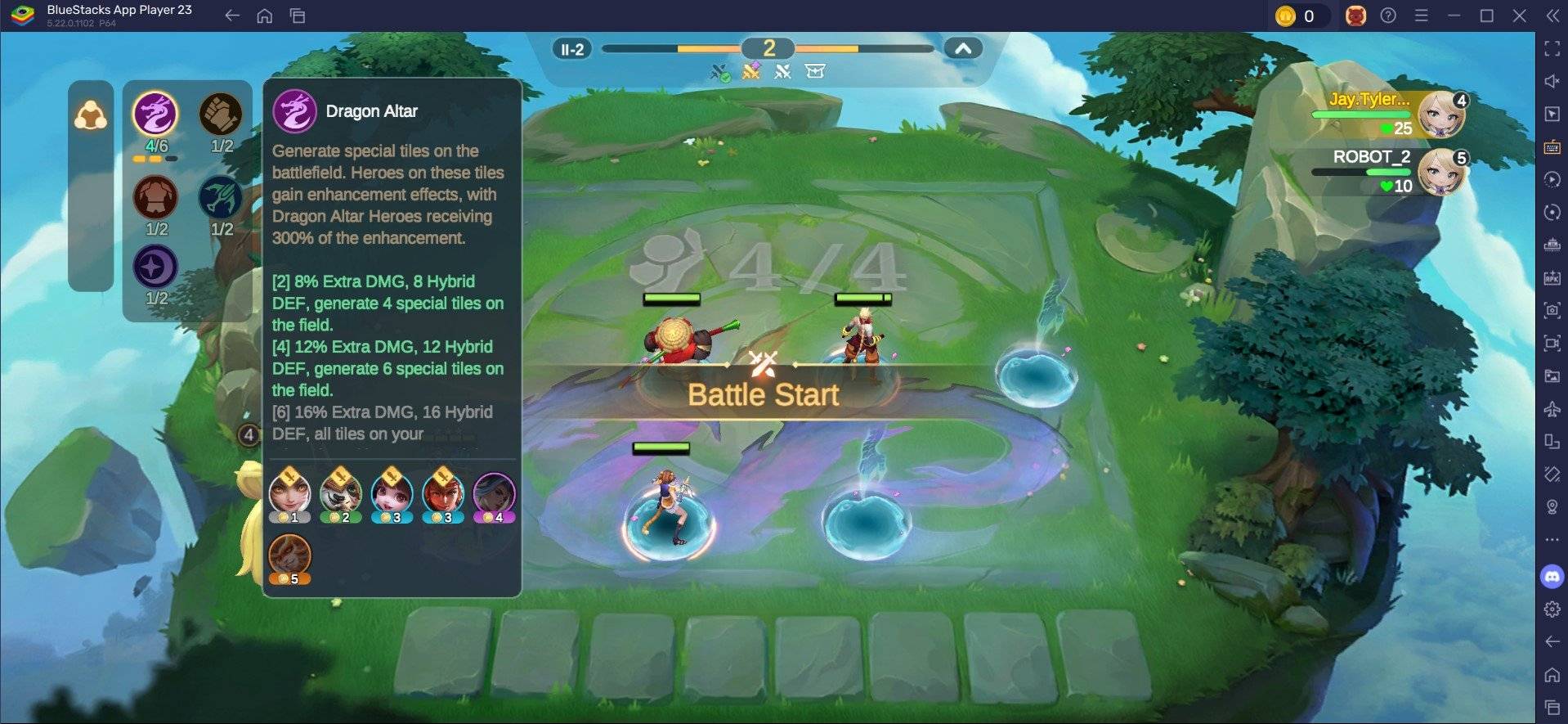 May 06,25Magic Chess: Beginner's Guide to Mastering Core Mechanics Magic Chess: Go Go, an exhilarating auto-battler strategy game crafted by Moonton, is deeply rooted in the vibrant universe of Mobile Legends. This game masterfully blends chess tactics with hero-based strategies, offering players the chance to craft formidable team line-ups featuring heroes from th
 -
 Apr 08,25Top Free Fire Characters 2025: Ultimate Guide Free Fire, crafted by Garena, has cemented its status as a top-tier battle royale game worldwide, amassing over 1 billion downloads on the Google Play Store and engaging millions of daily active players. Its appeal lies not only in its thrilling gameplay but also in its diverse array of characters,
 -
 Jan 18,25Roblox Grace: All Commands and How to Use Them Grace 游戏指令速查 所有 Grace 指令 如何使用 Grace 指令 Grace 是一款 Roblox 游戏,玩家需要在充满恐怖生物的各个关卡中生存。游戏极具挑战性,需要玩家快速反应并寻找对抗敌人的方法。幸运的是,开发人员添加了测试服务器功能,玩家可以使用聊天指令来简化游戏,召唤敌人,或进行游戏测试。以下列出了 Grace 游戏中的所有指令以及使用方法。 所有 Grace 指令 .revive:复活指令,用于在失败或卡住时重新进入游戏。 .panicspeed:修改计时器速度。 .dozer:召唤 Dozer 实体。 .main:进入主分支服务器。 .slugfish:召唤 S