






Lust of Pain
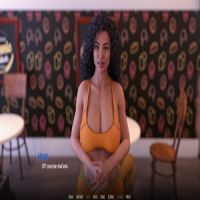
Lust of Pain – A Narrative Review: Where Grief Meets Desire in the Shadow of Redemption
To call Lust of Pain merely a mobile game is to mischaracterize a masterpiece of emotional architecture. This is not entertainment as escape—this is emotional excavation. With the quiet precision of a scalpel and the sweeping grandeur of a requiem, Lust of Pain plunges players into the fractured psyche of a young soul unraveling beneath the weight of loss, longing, and the seductive pull of forbidden feeling.
🌑 The Weight of Absence: A Grief That Breathes
The story opens not with action, but with silence—the quiet hush of a house still humming with the ghost of a mother who once sang lullabies in the kitchen. The protagonist, Avery, is not given a name at first. You become them. You feel the ache in your chest as you find her favorite scarf in the back of a drawer. You hear her voice in a voicemail you never knew existed—“If you’re listening, you’re already stronger than you think.”
This is not melodrama. It is truth. The game understands that grief is not a story arc—it is a landscape. And you are not just walking through it; you are breathing it.
👁️ The Family That Feeds on Shadows
The stepmother, Elena, arrives like a wraith in a tailored coat—polite, poised, but her eyes never quite meet yours. Is she cruel? Or simply hollow? Her smile curves with the precision of a blade. The stepsister, Mira, is a puzzle wrapped in poetry—flirtatious, brilliant, her laughter too easy, her touches too frequent. Is she drawing Avery in… or pulling them under?
And the father—Silas, a man whose grief is buried beneath bureaucracy and silence. He speaks in sentences clipped like paper. You suspect he doesn’t know how to mourn. You suspect he can’t.
But in the cracks between their lies, something stirs. A secret. A photograph hidden behind a book. A text message that never sent. A dream where Mira is not your sister—but something else.
🔥 The Spark: Entrepreneurship as Rebellion
Amidst the emotional fog, a revelation: Avery starts a small online boutique—handmade clothing, digital art, poems stitched into fabric. It begins as therapy. Then it becomes purpose. A way to build something that means something.
This is where the game’s brilliance lies: desire is not the enemy. It is the fuel. The designs are beautiful—dark, romantic, edged with sorrow. Each piece tells a story. And as sales grow, so does Avery’s confidence. You feel it: the trembling hand that once clutched a photo now types a business plan. The trembling voice now speaks to investors.
But desire, as the game reminds us, is a mirror. And sometimes, the reflection is not who you thought you were.
🌀 The Descent: Where Pleasure and Pain Merge
The turning point isn’t a battle. It’s a touch. A hand on the back. A whisper in the dark. A moment where, for the first time, Avery doesn’t feel alone.
The game doesn’t give you a choice between good and evil. It asks: What if love and pain aren’t opposites? What if they’re twins?
As relationships deepen—between Avery and Mira, between Avery and a mysterious artist named Kai, who sends cryptic messages and draws Avery in ink and shadow—the line between healing and self-destruction blurs. Is it passion? Is it obsession? Is it survival?
Puzzles now carry emotional weight. You must decipher a torn letter written in a dead language. You must piece together a dream journal that doesn’t follow logic—only feeling. You must choose: Tell the truth, and risk losing everything. Lie, and keep the fragile peace.
And when you finally face the final decision—to break free, to stay, to vanish—the game doesn’t hand you a victory screen.
It gives you a silence.
A single sentence on the screen:
“You were never meant to survive. But you did. And that is enough.”
🎨 Visual and Emotional Craftsmanship
The art direction is nothing short of visionary. Every frame feels like a painting from a fever dream—amber-lit rooms, rain-streaked windows, mirrors that reflect not your face, but someone else’s. The soundtrack—composed of slow strings, distant piano, and whispers in a language you almost understand—wraps around your soul like a shroud.
And the voice acting? Sublime. The hush of a breath. The crack in a sob. The hesitant smile. You don’t just hear the characters—you feel them.
🧩 Player Strategy: How to Survive (and Maybe Become Someone New)
- Listen to the silences. The most dangerous moments aren’t the confrontations—they’re the pauses. The breath before a lie.
- Trust no one—but trust your gut. The game will test your empathy. The wrong choice might save someone. The right one might break you.
- Embrace the ambiguity. There is no “true path.” Only paths shaped by pain, love, and the desperate need to be seen.
- Let the puzzles break you. Some require you to feel the solution—not think it.
✦ Final Verdict: Not a Game. A Revelation.
Lust of Pain is not for the faint of heart. It is not for those who seek escapism or easy victories. It is for those who have loved, lost, and wondered—what if I had chosen differently? What if I had let myself feel too much?
It asks:
Can you love without being destroyed?
Can you heal without forgetting?
Can you live—truly live—when you’ve already died inside?
And in the end, it answers not with words, but with presence. With silence. With the quiet certainty that you, too, have felt this.
“Lust of Pain” is not a game to finish. It is a journey to carry.
Available now.
But be warned:
You may not come back the same.
Lust of Pain


Lust of Pain – A Narrative Review: Where Grief Meets Desire in the Shadow of Redemption
To call Lust of Pain merely a mobile game is to mischaracterize a masterpiece of emotional architecture. This is not entertainment as escape—this is emotional excavation. With the quiet precision of a scalpel and the sweeping grandeur of a requiem, Lust of Pain plunges players into the fractured psyche of a young soul unraveling beneath the weight of loss, longing, and the seductive pull of forbidden feeling.
🌑 The Weight of Absence: A Grief That Breathes
The story opens not with action, but with silence—the quiet hush of a house still humming with the ghost of a mother who once sang lullabies in the kitchen. The protagonist, Avery, is not given a name at first. You become them. You feel the ache in your chest as you find her favorite scarf in the back of a drawer. You hear her voice in a voicemail you never knew existed—“If you’re listening, you’re already stronger than you think.”
This is not melodrama. It is truth. The game understands that grief is not a story arc—it is a landscape. And you are not just walking through it; you are breathing it.
👁️ The Family That Feeds on Shadows
The stepmother, Elena, arrives like a wraith in a tailored coat—polite, poised, but her eyes never quite meet yours. Is she cruel? Or simply hollow? Her smile curves with the precision of a blade. The stepsister, Mira, is a puzzle wrapped in poetry—flirtatious, brilliant, her laughter too easy, her touches too frequent. Is she drawing Avery in… or pulling them under?
And the father—Silas, a man whose grief is buried beneath bureaucracy and silence. He speaks in sentences clipped like paper. You suspect he doesn’t know how to mourn. You suspect he can’t.
But in the cracks between their lies, something stirs. A secret. A photograph hidden behind a book. A text message that never sent. A dream where Mira is not your sister—but something else.
🔥 The Spark: Entrepreneurship as Rebellion
Amidst the emotional fog, a revelation: Avery starts a small online boutique—handmade clothing, digital art, poems stitched into fabric. It begins as therapy. Then it becomes purpose. A way to build something that means something.
This is where the game’s brilliance lies: desire is not the enemy. It is the fuel. The designs are beautiful—dark, romantic, edged with sorrow. Each piece tells a story. And as sales grow, so does Avery’s confidence. You feel it: the trembling hand that once clutched a photo now types a business plan. The trembling voice now speaks to investors.
But desire, as the game reminds us, is a mirror. And sometimes, the reflection is not who you thought you were.
🌀 The Descent: Where Pleasure and Pain Merge
The turning point isn’t a battle. It’s a touch. A hand on the back. A whisper in the dark. A moment where, for the first time, Avery doesn’t feel alone.
The game doesn’t give you a choice between good and evil. It asks: What if love and pain aren’t opposites? What if they’re twins?
As relationships deepen—between Avery and Mira, between Avery and a mysterious artist named Kai, who sends cryptic messages and draws Avery in ink and shadow—the line between healing and self-destruction blurs. Is it passion? Is it obsession? Is it survival?
Puzzles now carry emotional weight. You must decipher a torn letter written in a dead language. You must piece together a dream journal that doesn’t follow logic—only feeling. You must choose: Tell the truth, and risk losing everything. Lie, and keep the fragile peace.
And when you finally face the final decision—to break free, to stay, to vanish—the game doesn’t hand you a victory screen.
It gives you a silence.
A single sentence on the screen:
“You were never meant to survive. But you did. And that is enough.”
🎨 Visual and Emotional Craftsmanship
The art direction is nothing short of visionary. Every frame feels like a painting from a fever dream—amber-lit rooms, rain-streaked windows, mirrors that reflect not your face, but someone else’s. The soundtrack—composed of slow strings, distant piano, and whispers in a language you almost understand—wraps around your soul like a shroud.
And the voice acting? Sublime. The hush of a breath. The crack in a sob. The hesitant smile. You don’t just hear the characters—you feel them.
🧩 Player Strategy: How to Survive (and Maybe Become Someone New)
- Listen to the silences. The most dangerous moments aren’t the confrontations—they’re the pauses. The breath before a lie.
- Trust no one—but trust your gut. The game will test your empathy. The wrong choice might save someone. The right one might break you.
- Embrace the ambiguity. There is no “true path.” Only paths shaped by pain, love, and the desperate need to be seen.
- Let the puzzles break you. Some require you to feel the solution—not think it.
✦ Final Verdict: Not a Game. A Revelation.
Lust of Pain is not for the faint of heart. It is not for those who seek escapism or easy victories. It is for those who have loved, lost, and wondered—what if I had chosen differently? What if I had let myself feel too much?
It asks:
Can you love without being destroyed?
Can you heal without forgetting?
Can you live—truly live—when you’ve already died inside?
And in the end, it answers not with words, but with presence. With silence. With the quiet certainty that you, too, have felt this.
“Lust of Pain” is not a game to finish. It is a journey to carry.
Available now.
But be warned:
You may not come back the same.